
Turkey’s Free Trade Zones are now more dynamic and accessible than ever before. So, they have become increasingly attractive to foreign investors exploring the tax benefits of Turkish FTZs.
If you are thinking about starting a company in Turkey’s Free Trade Zones to benefit from tax exemptions, or expanding your business into Turkey, it is important to understand how the system works.
This guide explains what Turkey Free Trade Zones are and how they function. It also describes the tax and customs advantages they offer. Also, it outlines how foreign investors can strategically invest in Turkish FTZs starting in 2026.
What Are Turkish Free Trade Zones? Definition, Legal Framework and Operational Structure
Turkish Free Trade Zones are special economic areas established under Free Zones Law No. 3218. They are designed to promote export-oriented production and attract technology-driven projects. They also aim to increase Foreign Direct Investment inflows into Turkey.
As part of the evolving 2026 Turkey free zone tax reforms for foreigners, these zones have become even more strategic. They now offer tax-efficient and operationally flexible structures for international investors.
From a customs perspective, the zones are treated as customs duty-free areas. In this sense, they are considered outside the Turkish Customs Territory. However, under origin rules, they are considered part of Turkey.
This hybrid structure allows companies to import goods under the Customs Duty Exemption Turkey rules. Additionally, they can benefit from VAT advantages on transactions with the domestic market.
Certainly, this dual advantage is one of the key advantages of Turkey’s FTZs for global businesses.
The geographical boundaries of each zone are determined by Presidential decree. The establishment and operation of the zones are managed by authorised Zone Operating Companies. Investors may construct their own facilities or lease ready-to-use premises. Also, permitted activities range from manufacturing and R&D to software, banking, storage, and general trade.
Understanding the Strategic Importance of Turkish Free Trade Zones (FTZs)
With the implementation of the 2026 Turkey free zone tax reforms for foreigners, Turkey Free Trade Zones have become even more transparent and predictable. So, they are more globally competitive for international businesses seeking a structured market entry strategy.
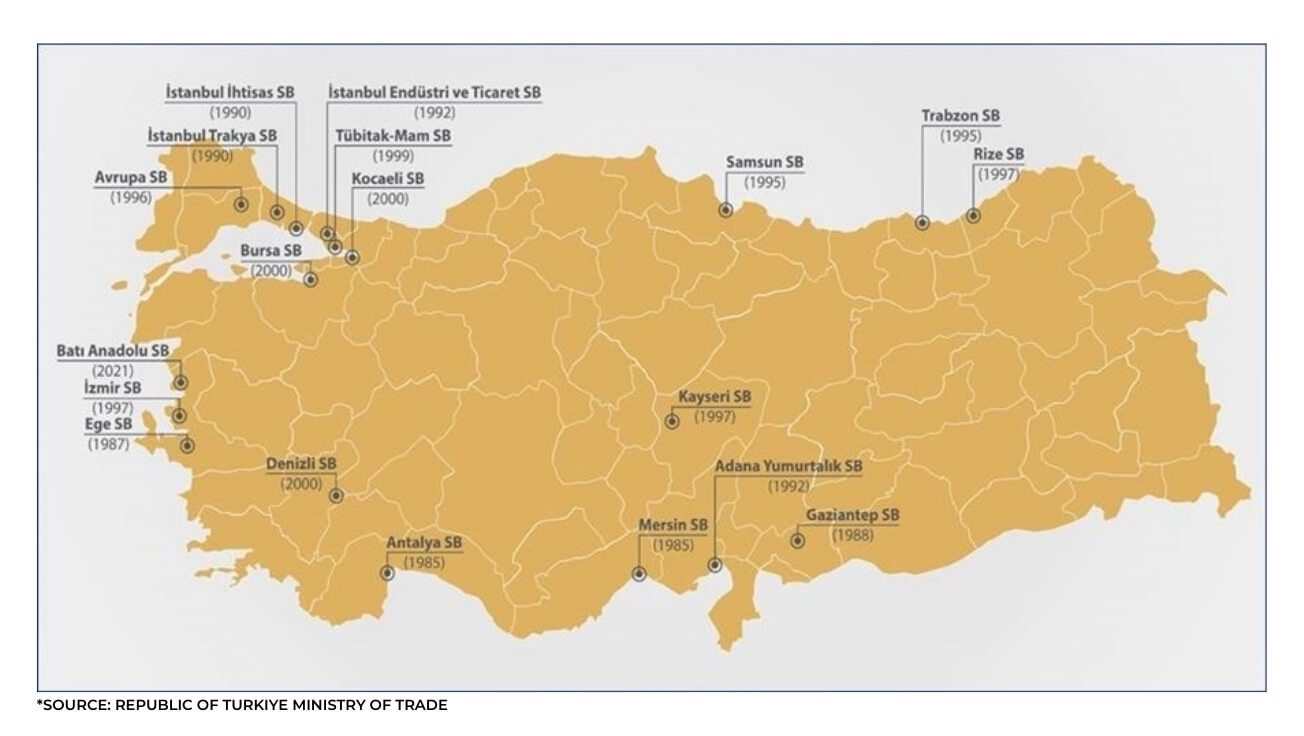
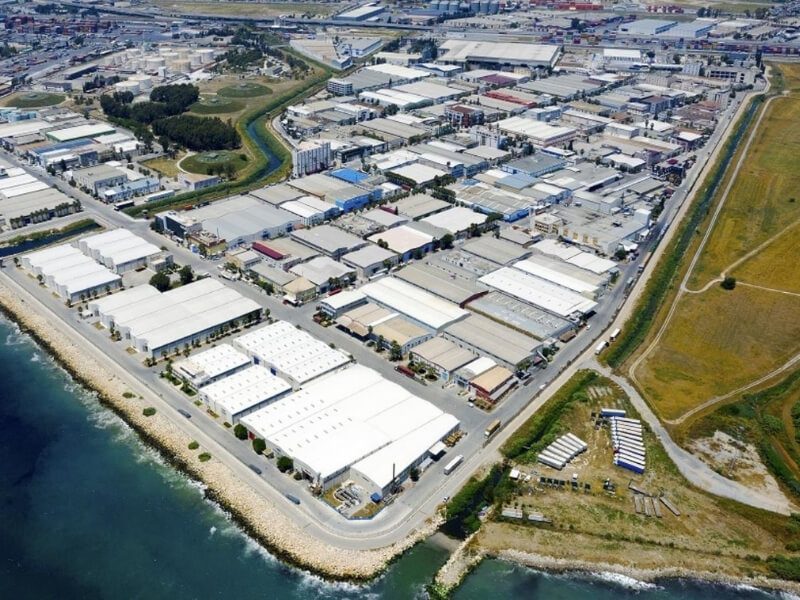
As of 2026, Turkey hosts 19 active free trade zones. These zones are strategically positioned near major Mediterranean, Aegean, and Black Sea ports. They are also located close to international airports and key transport corridors.
This geographic advantage strengthens Turkey’s position as a powerful logistics hub. So, it enables efficient access to the European Union, the Middle East, Central Asia, and North Africa.
The regulatory flexibility within these zones allows companies to operate under advantageous cost structures. Under the broader framework of Turkey’s FTZ advantages, investors benefit from streamlined customs procedures. They also gain greater operational efficiency. They also achieve greater integration into global supply chains.
Strategic Free Zone Ecosystem and Sectoral Investment Opportunities in Turkey
Turkey’s evolving free zone model integrates sectoral specialisation with high-tech investment incentives. It also promotes export-oriented growth within a unified and strategically designed framework.
There are more than 18 active Turkey Free Trade Zones across the country. So, Turkey provides a wide range of specialised investment hubs. These zones are designed to serve sectors such as:
- manufacturing, technology, logistics, automotive, textiles, petrochemicals, and software development.
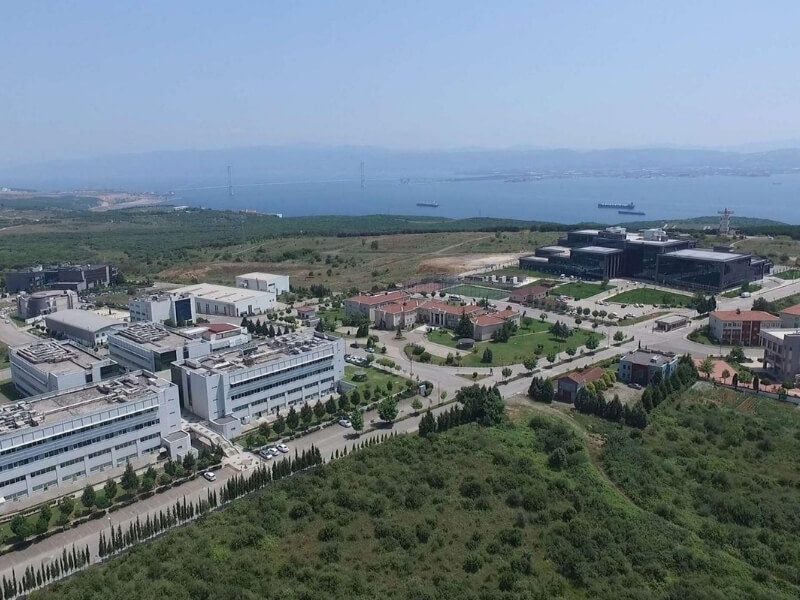
Turkey has traditional manufacturing zones. In addition, it has introduced Specialised Free Zones focused on R&D and technology-driven projects. For example, the Istanbul Specialised Free Zone supports software and innovation-intensive investments. It does this through targeted employment incentives and priority investment classifications.
List of Free Trade Zones in Turkey
| # | FREE ZONES IN TURKIYE | DATE OF EST. |
|---|---|---|
| 1 | MERSIN FREE ZONE | 1985 |
| 2 | ANTALYA FREE ZONE | 1985 |
| 3 | AEGEAN FREE ZONE | 1987 |
| 4 | ISTANBUL SPECIALISED FREE ZONE | 1990 |
| 5 | TRABZON FREE ZONE | 1990 |
| 6 | ISTANBUL THRACE FREE ZONE | 1990 |
| 7 | ADANA YUMURTALIK FREE ZONE | 1992 |
| 8 | ISTANBUL INDUSTRY & TRADE FREE ZONE (TUZLA) | 1992 |
| 9 | SAMSUN FREE ZONE | 1995 |
| 10 | EUROPE FREE ZONE | 1996 |
| 11 | RIZE FREE ZONE | 1997 |
| 12 | KAYSERI FREE ZONE | 1997 |
| 13 | IZMIR FREE ZONE | 1997 |
| 14 | GAZIANTEP FREE ZONE | 1998 |
| 15 | TUBITAK-MRC FREE ZONE | 1999 |
| 16 | DENIZLI FREE ZONE | 2000 |
| 17 | BURSA FREE ZONE | 2000 |
| 18 | KOCAELI FREE ZONE | 2000 |
| 19 | BATI ANADOLU FREE ZONE | 2021 |
These developments position certain regions among the best free trade zones in Turkey for technology. Because of this, they attract high-value-added projects.
The Western Anatolia Free Zone in İzmir further strengthens Turkey’s export-led strategy. It is built on a large-scale industrial area with strong port connectivity. As a result, it creates significant advantages for investors. It offers new opportunities for the formation of Turkish companies in FTZs, especially for export-oriented producers.
Turkey connects its export incentives with the flexible structure of customs-advantaged zones. So, this integration is evident in Bursa’s automotive industry and Mersin’s logistics capacity.
This ecosystem provides foreign investors in Turkey with scalable, sector-aligned, and globally competitive investment platforms.

Critical 2026 Regulatory Changes: What Every Investor Should Know
In 2026, Turkey changed its corporate tax system with Law No. 7524. This amendment establishes a Domestic Minimum Corporate Tax mechanism.
This reform aims to prevent companies from lowering their tax burden below a certain level. It focuses on limiting the impact of exemptions and deductions. For foreign investors in Turkey, this development requires careful legal and financial assessment.
Under the 2026 Turkey free zone tax reforms for foreigners, all corporate taxpayers are subject to new rules. They must compare their calculated standard corporate tax with a 10% domestic minimum corporate tax. (Including companies operating within Turkey Free Trade Zones.)
The higher amount must be paid under Article 32/C of the Corporate Tax Law. This rule directly affects businesses that benefit from Turkey Tax Exemptions and sector-specific incentives.
It’s important to distinguish the 10% domestic tax from the OECD’s 15% global minimum tax. They operate under separate frameworks.
Multinational enterprises must evaluate both regimes together. The tax base is based on commercial profit, adjusted for non-deductible expenses and specific exemptions.
Certain protections remain in place. New companies are exempt from the minimum corporate tax for their first three fiscal years. However, this exemption does not apply to companies formed through mergers or restructuring.
Additionally, qualifying participation income, share premium gains, R&D deductions, and pre-August 2024 investment incentive certificates are excluded from the calculation.
For companies relying on Corporate tax exemptions for manufacturers in Turkey, especially within free zones, strategic tax restructuring and compliance planning have become critical in 2026.
How Foreign Investors Can Invest in Turkish Free Zones?
For foreigners investing in Turkey, the Free Trade Zones follow a structured and legally defined process. The framework has become more transparent and predictable, particularly for export-oriented and production-based investments.
- Step: Selecting the appropriate free zone based on sector, logistics access, and infrastructure.
- Step: The investor must submit anoperating license application formthroughthe Ministry of Trade’s Free Zones Information System (e-SBBS).
The application file should include a detailed business plan, projected investment amount, export targets, and employment forecasts.
Also find here: The Operating License Application Procedure
After the approval, the investor proceeds with LLC Formation in Turkey or establishes a joint-stock company.
Long-term lease rights of up to 30–45 years provide investors with operational stability. Structured Turkey tax exemptions and stamp tax exemptions offer significant fiscal advantages.
Finally: Choosing The Right Turkish Free Trade Zone
Choosing the right Turkish Free Trade Zone directly affects an investment’s long-term success and profitability. Investors must consider not only tax benefits but also location, sector fit, and logistics capacity. With the 2026 Turkey free zone tax reforms for foreigners, choosing the right zone has become even more critical.
Geographical proximity to target markets is often the first determining factor.
- For companies planning export-oriented production to Europe, İzmir’s Aegean Free Zone and Bursa Free Zone stand out due to strong industrial infrastructure and Customs Union advantages with the EU.
- For businesses focusing on the Middle East and Gulf markets, Mersin and Gaziantep provide powerful land and sea connectivity, reinforcing Turkey’s role as a regional Turkey logistics hub.
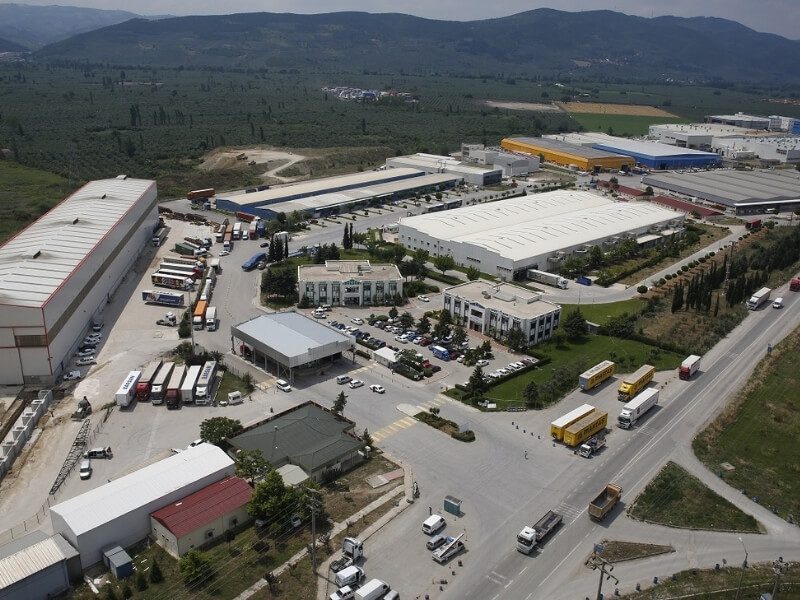
Sectoral specialisation is equally decisive. Bursa is prominent in automotive manufacturing, Gaziantep in textiles, İzmir in electronics and technology, Mersin in logistics, and Antalya in yacht and maritime industries. Certain regions are widely regarded as the Best free trade zones in Turkey for technology.
From a tax perspective, Corporate tax exemptions for manufacturers in Turkey, customs duty exemptions, VAT advantages, and flexible Profit repatriation rules create significant incentives. However, domestic sales ratios may trigger tax liabilities, requiring careful structuring.
For foreign investors seeking clarity, security, and strategic tax planning, partnering with a full-service corporate and tax authority such as Tepe Law Office ensures that your investment in the Turkish FTZ strategy is legally sound, compliant, and optimised for long-term success in Turkey’s evolving investment landscape.
Case Study: Setting Up a Virtual Office in the Mersin Free Zone
FAQ
Can foreign individuals own 100% of a company in a Turkish free trade zone?
Yes, foreigners can have full ownership of a company in a Turkish free trade zone. There is no special restriction on foreign ownership of an FTZ company in Turkey. Foreigners can own 100% of Turkish companies, whether in or outside of free trade zones.
Do I need a local Turkish partner to operate in an FTZ?
You do not necessarily need a Turkish shareholder or even a director in your free trade zone company in Turkey. However, it is beneficial to have a Turkish resident or citizen involved in the company’s business, either as a director or in other capacities, to ensure smoother compliance and accounting processes.
Can an FTZ company sell to the Turkish domestic market?
Yes, an FTZ company can sell to the Turkish domestic market, but this will not benefit from exemptions or incentives. The FTZ benefits are unique to exported goods.
Partner with Tepe Law Office for Secure and Strategic Investment in Turkey
Since 1987, Tepe Law Office has been delivering trusted, transparent, and result-oriented legal consultancy to both domestic and international clients. With over 35 years of experience in corporate and tax law, investment structuring, and cross-border transactions, our firm serves as a full-service authority in corporate and tax law in Turkey.
For foreign investors, we offer full support from licensing and compliance to tax planning and profit repatriation. After all, we ensure that your investment remains secure and fully compliant at every stage.
If you are considering investing in Turkish FTZs or expanding your presence under Turkey’s investment incentives framework, request a free consultation now on a foundation of legal certainty and long-term partnership.