
This article covers one of the corporate tax exemptions introduced in Turkey in May 2026. The new tax exemption regime provides benefits to individuals and foreign companies. One major benefit concerns transit trading, meaning the purchase of goods abroad and their sale to a third country outside Turkey. We will cover the principles for benefiting from corporate income tax exemptions for such activities.
The New Rules for Transit Commerce or Intermediary Activities Eligible for Tax Exemption
This specific exemption provides a 95% exemption from corporate tax. Corporate tax in Turkey is 25% of corporate profits; however, for transit trading as defined in the new legislation, tax is paid only on 5% of profits. In other words, the 25% rate applies only to that 5%, an effective rate of 1.25% of a company’s total profits.
The new legislation published in June 2026 states that goods purchased and sold abroad, rather than brought into Turkey, qualify for the 95% corporate tax exemption described above. The second category of transit business activities that are eligible for this exemption is intermediary activities for goods bought and sold abroad.
The detailed rules on the corporate tax benefits for transit trading under the new regime were introduced through official secondary legislation in July 2026. We examined this new piece of legislation and the case studies it introduced to guide corporations. It provides specific examples of which cases fall under this exemption and which do not.
The primary legislation governing this new exemption also includes companies established in the Istanbul Finance Centre. Such companies can obtain a specific document that allows a 100% exemption from corporate tax.
To benefit from this exemption, the income must be transferred to Turkey before the corporate tax annual return deadline for the period in which the income was earned. Furthermore, for intermediary businesses to benefit from this exemption, neither the seller nor the buyer of the goods should be located within Turkey.
Comparison of the New Transit Commerce Exemption with the Existing Free Trade Zones
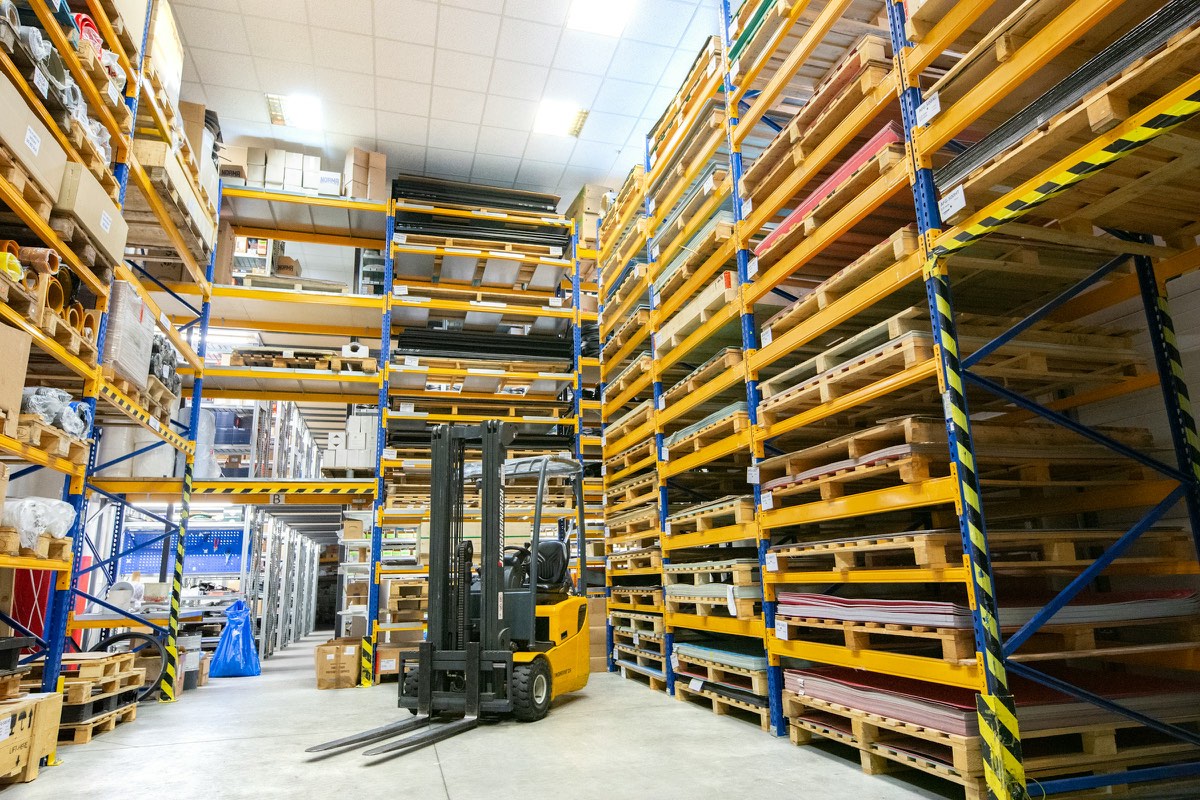
This new regime contrasts with the free trade zone regime in Turkey. Free trade zones already provide such exemptions to companies that use Turkey only as a transit country. The main difference is that under the new regime, the goods never physically arrive in Turkey; by contrast, in free trade zones, the goods are delivered to Turkey and then sent abroad. However, in neither case is customs duty or VAT payable. This raises an important question regarding goods that arrive in Turkey for a company outside of a free trade zone.
Will a company established outside a free trade zone that benefits from the tax exemption also be eligible for customs duty and VAT exemption?
Although the new legislation does not provide an explicit answer to this question, the existing rules under the VAT Law No. 3065 Art. 16 (1) c) and Customs Law No. 4458 Art. 93 (1) a) suggest that no VAT or customs duty will apply to transit commerce under this regime, on the condition that goods must be kept only in special warehouses operating under a special customs regime. This means the goods cannot be kept in Turkey without restriction, but they need not be in a free trade zone; they can be kept in these special warehouses. The secondary legislation published in July supports this and guides investors on the new exemption rules. Its case studies note that goods can also be physically delivered to Turkey under this regime, and still benefit from the new corporate tax exemption rules.
The main difference from the free trade zone regime is that in these warehouses it is not possible to label, repackage or carry out any processing on the goods themselves. For this reason, some companies will still prefer free trade zones if they intend to alter the goods during transit. For example, a company that transits raw food materials but wants to process them in Turkey before sending them to their final destination must establish a company in a free trade zone. Similarly, consider a company trading bitumen: if it relabels or repackages the bitumen in Turkey, it must keep it in a free trade zone.
Sample Cases for the New Corporate Tax Exemption Rules for Transit Commerce
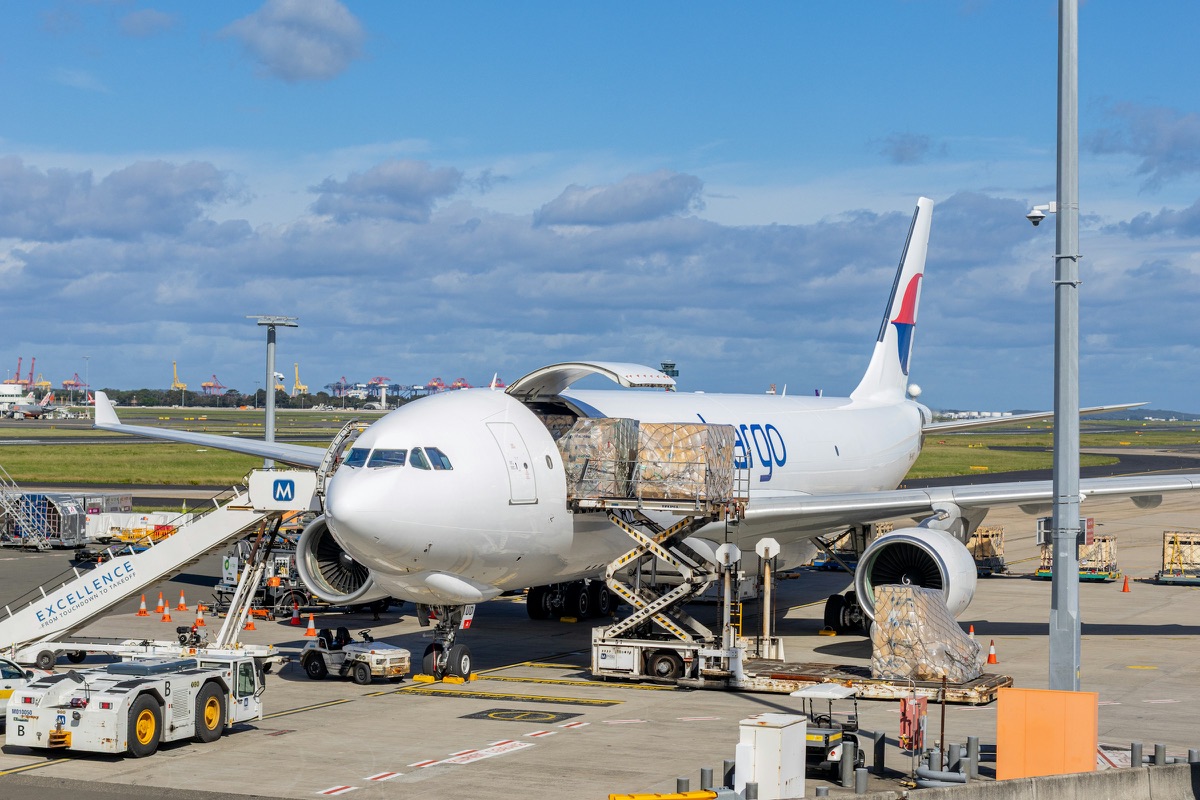
| Case 1 | As described in the secondary legislation published in July 2026, a company buys certain products from a company in Germany and sells them directly to another company in France without bringing the goods to Turkey in between. Assuming the company earns 1 million Turkish lira from this transaction, the exempt portion of that income will be 950,000 Turkish lira. On the other hand, if the goods were first brought into Turkey after being purchased in Germany and then sent to the company in France, it will not be possible to benefit from this exemption. |
|---|---|
| Case 2 | A company acted as an intermediary for a transaction between a company residing in Italy and a company residing in Egypt regarding the purchase of certain goods, and the company earned 400,000 Turkish lira as a result of this intermediary activity. Since neither the buyer nor the seller is located in Turkey, and provided the other conditions are met, 95% of the specified income, which is 380,000 Turkish lira, can benefit from the exemption. However, if either the buyer or the seller is located in Turkey, no exemption applies. |
| Case 3 | A company does business in the Istanbul Finance Centre region with a participant certificate. The company buys products from a company residing in Japan without bringing the goods to Turkey, and the goods are sent to a company located in the United Arab Emirates. As a result, 2 million Turkish lira is earned, and the entire amount can be exempt from corporate tax. |
| Case 4 | A company bought goods from a company in Germany and stored them in a customs warehouse in Turkey. The company then sold these products to a Bulgarian company without allowing them to enter the Turkish market and without any processing. As a result, 2 million Turkish lira is earned. As long as the entire amount is transferred to Turkey within the term specified in the legislation, 95% of it will benefit from the exemption. On the other hand, if the goods in the customs warehouse are sold within Turkey or enter the Turkish internal market, no exemption applies. |
Final Notes
A company may engage in both activities that fall under the corporate tax exemptions explained here and activities in which it sells certain goods within Turkey. In that case, a mixed tax regime will apply, and the relevant corporate tax rates will apply to activities that fall within or outside the categories defined under this legislation.